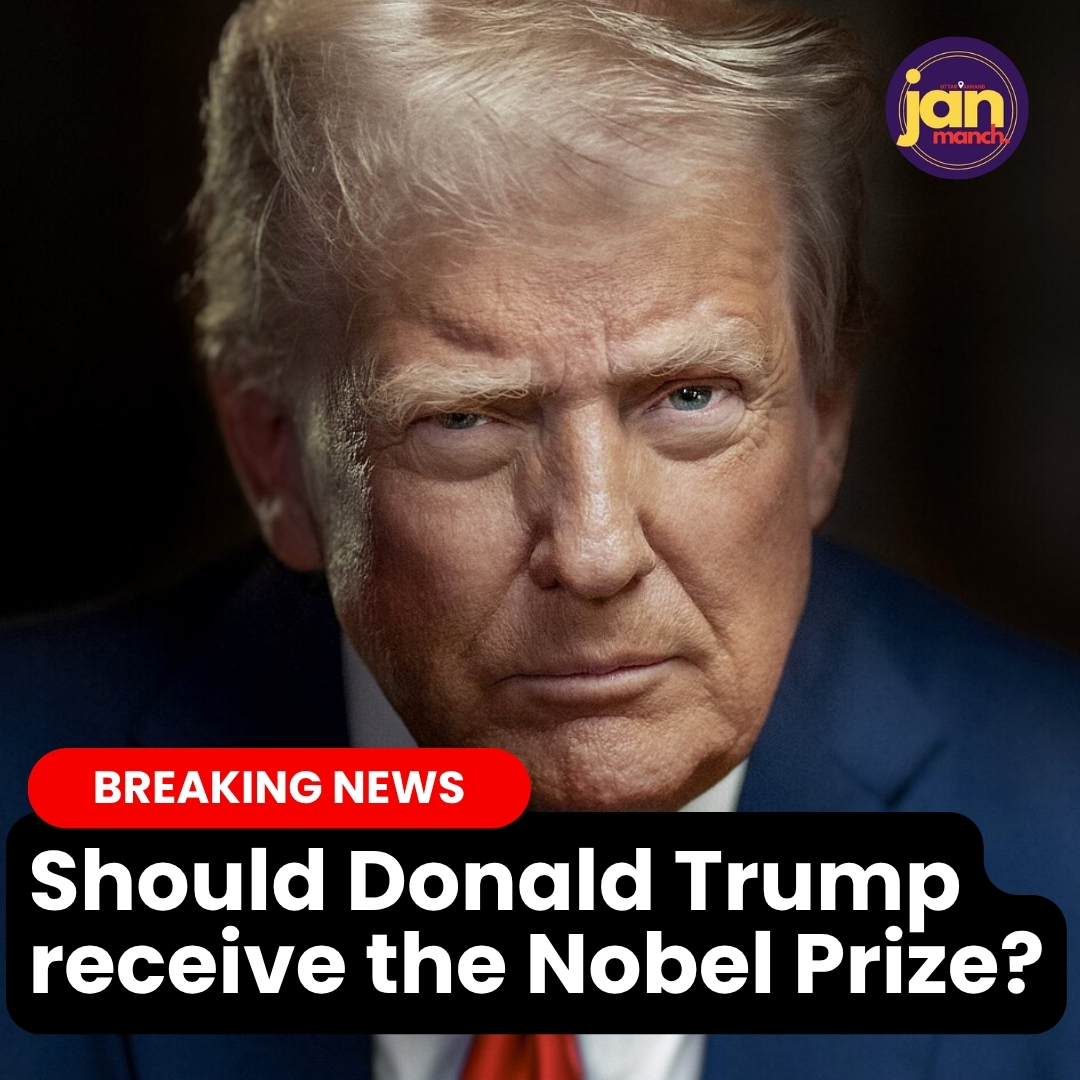

Donald Trump recently issued a stern ultimatum regarding Gaza, saying — “We must completely destroy Hamas if our conditions are not met.” Using such strong language, he warned Hamas to quickly accept or launch rockets against their 20-point peace proposal. According to media reports, Trump gave Hamas a final chance and said that if they do not relinquish control and accept the peace proposal, the consequences could be “totally devastating.” At the same time, he also put pressure on Israel to halt certain steps so that a prisoner exchange could take place.
Why did Trump say this? There are several layers. First reason: the immediate goal — the release of hostages and stopping the war. According to his peace module, Hamas must be demilitarized and a non-Hamas leadership installed; calling it a “final ultimatum” is a quick tactic to accelerate any agreement. Second layer: the voting base and political image — showing a tough foreign policy stance to strengthen domestic support. Third layer: international diplomacy — the United States wants to act as an active mediator and shape the future political framework.
Does Trump deserve the Nobel Peace Prize after using such harsh words? The Nobel Peace Prize signifies reducing violence and ensuring durable, long-term peace — merely issuing threats or imposing a deadline does not fulfill that. If Trump’s proposal actually leads to the safe release of hostages, sustained humanitarian access in Gaza, and a just political arrangement, it could be considered a peace effort; however, agreements based on threats are rarely long-lasting. Therefore, such a major recognition as the “Nobel” is only warranted when the results and protection of human lives are clearly demonstrated.
Will threats work? Sometimes firmness can be effective at stopping violence — but the risks are very high: large numbers of civilian casualties, displacement, and international condemnation. History shows that when solutions are formed under one-sided pressure, the roots of revenge and renewed conflict grow stronger. For peace arrangements to endure, reliable monitoring, rehabilitation, and political inclusion are necessary — military threats alone are not enough.
About the question “Is Trump destroying democracy?” — that is a precise and sensitive accusation. Recent analysis reports indicate that some of Trump’s administration’s policies and institutional pressures have appeared to strain democratic guardrails (such as judicial independence, election security, and administrative neutrality) — meaning there is concern about weakening the balance between the public and institutions. That does not mean democracy has ended overnight, but many experts view it as a risk of “democratic backsliding” and are issuing warnings. That is why active oversight by international and domestic institutions and participation by civil society are crucial.
Harsh words and ultimatums may yield temporary gains, but for lasting peace, transparency, multilateral diplomacy, and prioritizing humanitarian relief are the wisest paths.